1
/
of
2
Saddle Creek
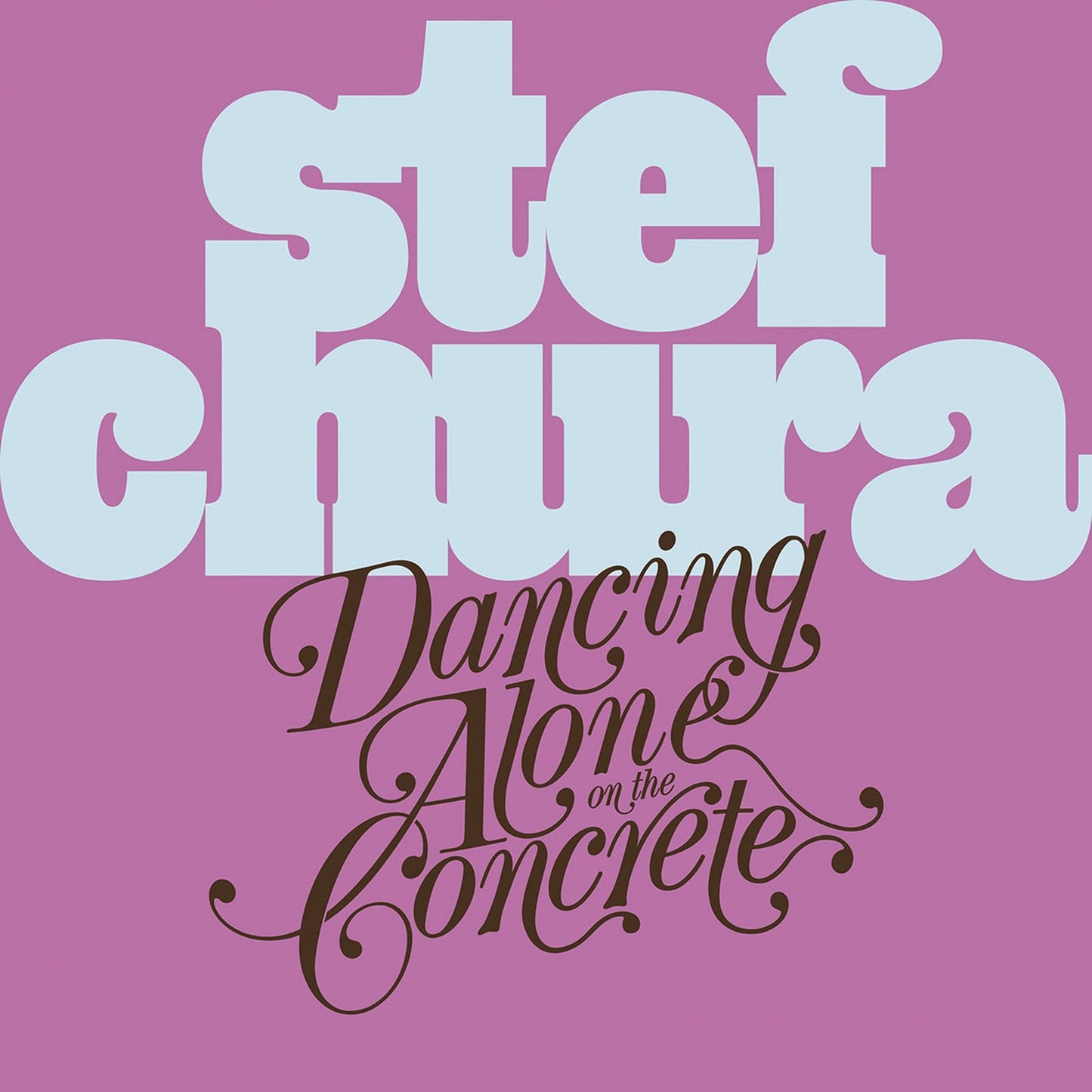
Chura, Stef - Dancing Alone In The Concrete
Chura, Stef - Dancing Alone In The Concrete
Regular price
£25.99 GBP
Regular price
£0.00 GBP
Sale price
£25.99 GBP
Unit price
/
per
Tax included.
Couldn't load pickup availability
It had been seven years since Detroit singer and songwriter, Stef Chura, released her last album, Midnight.
Plenty of dramatic and life-altering things happened in those seven years: She broke off an engagement, she left Detroit for New Orleans (and then Louisville), she gave birth to her first child, she ultimately returned to Detroit. But those events are not the true story of Dancing Alone on the Concrete, her third album and second for Saddle Creek. Here's what happened while Stef Chura was writing the songs that would eventually become Dancing Alone on the Concrete: She practiced the piano and the guitar a whole lot, and she went on dates.
Single for the first time in years, Chura used the 2020 Covid lockdowns as an excuse to start over in New Orleans, where, like everyone else, she was mostly stuck indoors, unable to tour or play locally. "I was just writing and practicing," she says. "I was going back and forth, playing songs on the guitar and the piano, and it lent itself to the writing process in a nice way." Chura's singing voice has always been unique—it's brassy but contained, like a muted trumpet.
Much of Dancing Alone on the Concrete concerns the ways in which our need for love convinces us to betray ourselves just to keep the other person around. "I tried to change my thoughts for you, I tried to rearrange who I was for you," she sings in "The Concrete," "But you found out." It's an unusual framing—the issue isn't the narrator's selling herself out, it's her getting caught doing so. "When I was in New Orleans, the freedom to date was exciting," Chura says. "But there's this search for love in the album, and no real arrival at any point in time."
Dancing Alone on the Concrete's key is right there, the adverb in the album's title: alone.
Not loneliness, but personal comfort, self-affirmation, healthy solitude. And while these songs never quite arrive at the love they're searching for, the rightful object of her affection is right there in every song, in the form of the person singing them.
Plenty of dramatic and life-altering things happened in those seven years: She broke off an engagement, she left Detroit for New Orleans (and then Louisville), she gave birth to her first child, she ultimately returned to Detroit. But those events are not the true story of Dancing Alone on the Concrete, her third album and second for Saddle Creek. Here's what happened while Stef Chura was writing the songs that would eventually become Dancing Alone on the Concrete: She practiced the piano and the guitar a whole lot, and she went on dates.
Single for the first time in years, Chura used the 2020 Covid lockdowns as an excuse to start over in New Orleans, where, like everyone else, she was mostly stuck indoors, unable to tour or play locally. "I was just writing and practicing," she says. "I was going back and forth, playing songs on the guitar and the piano, and it lent itself to the writing process in a nice way." Chura's singing voice has always been unique—it's brassy but contained, like a muted trumpet.
Much of Dancing Alone on the Concrete concerns the ways in which our need for love convinces us to betray ourselves just to keep the other person around. "I tried to change my thoughts for you, I tried to rearrange who I was for you," she sings in "The Concrete," "But you found out." It's an unusual framing—the issue isn't the narrator's selling herself out, it's her getting caught doing so. "When I was in New Orleans, the freedom to date was exciting," Chura says. "But there's this search for love in the album, and no real arrival at any point in time."
Dancing Alone on the Concrete's key is right there, the adverb in the album's title: alone.
Not loneliness, but personal comfort, self-affirmation, healthy solitude. And while these songs never quite arrive at the love they're searching for, the rightful object of her affection is right there in every song, in the form of the person singing them.
Share